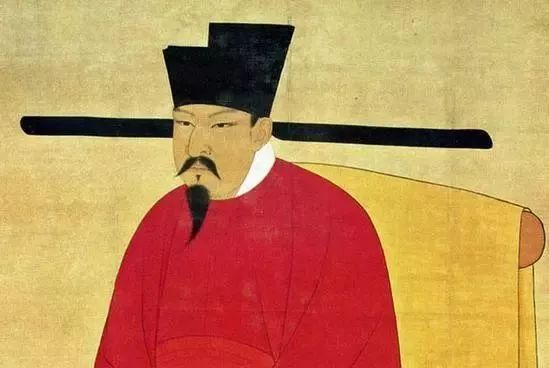
Emperor Shenzong
Introduction
Emperor Shenzong of the Song Dynasty, also known as Zhao Xu, was a significant ruler in Chinese history. Born on May 25, 1048, and reigning from 1067 to 1085, Shenzong was the sixth emperor of the Song Dynasty. During his reign, he worked to strengthen the central government's control and improve the state's financial situation. His era was marked by significant political and military reforms, although not all of them were successful.
Early Life and Ascension
Emperor Shenzong was born as Zhao Zhongzhen, later changing his name to Zhao Xu. He became emperor at the age of 18, taking over from his father, Emperor Yingzong. His early reign was characterized by a strong focus on solidifying imperial authority and addressing the state's fiscal challenges. He was influenced by reformist officials like Wang Anshi, who proposed significant changes to the existing socio-economic structures.
Reign
Emperor Shenzong's reign was characterized by a series of ambitious reforms aimed at transforming the administrative and economic landscape of the Song Dynasty. These reforms, known collectively as the New Policies, were spearheaded by the prominent statesman Wang Anshi and had significant implications for the governance and social structure of the empire.
Political Reforms
Under Emperor Shenzong's rule, the Song Dynasty witnessed a wave of political reforms designed to centralize authority and improve governmental efficiency. The New Policies implemented by Wang Anshi were at the forefront of this reform movement, aiming to streamline the bureaucracy and enhance the state's fiscal capacity. Key aspects of these reforms included the establishment of a state-sponsored education system to cultivate a more competent civil service, the introduction of new taxation measures to increase revenue, and the restructuring of government positions to reduce corruption.
These political reforms were intended to strengthen the empire's administrative apparatus and ensure that the government was better equipped to address the needs of its citizens. However, the reforms were met with resistance from conservative factions within the court, leading to significant political debates and tensions. Despite the opposition, Emperor Shenzong remained committed to the reform agenda, believing that such measures were necessary for the long-term stability and prosperity of the Song Dynasty.
Military Campaigns
Emperor Shenzong's reign also involved several military campaigns aimed at safeguarding the empire's borders and asserting its influence over neighboring regions. One of the primary military objectives during his reign was to address the threat posed by the Western Xia and Liao dynasties, which frequently clashed with the Song Dynasty over territorial disputes.
To strengthen the empire's military capabilities, Shenzong invested in the expansion and modernization of the Song army. This involved the development of new military technologies and tactics, as well as efforts to improve the training and discipline of the troops. Despite these advancements, the military campaigns during Shenzong's reign were met with mixed success, as the Song forces encountered formidable resistance from their adversaries.
The military challenges faced by Shenzong highlighted the complexities of maintaining a vast empire and underscored the need for a balanced approach to diplomacy and warfare. His reign demonstrated the importance of military preparedness and strategic foresight in ensuring the empire's security and territorial integrity.
Economic Policies
Economic reform was a cornerstone of Emperor Shenzong's reign, as he sought to address the financial challenges facing the Song Dynasty and promote sustainable growth. The New Policies introduced a range of economic measures aimed at increasing state revenue and improving the livelihoods of the common people.
One of the key economic initiatives was the implementation of a more equitable taxation system, which sought to reduce the burden on peasantry while ensuring that wealthier segments of society contributed their fair share. This policy aimed to alleviate poverty and stimulate agricultural productivity, which was the backbone of the Song economy. Additionally, state monopolies on key commodities were established to regulate prices and enhance state control over essential resources.
These economic policies reflected Shenzong's vision of a prosperous empire that was economically self-sufficient and capable of supporting its population. However, the reforms were not without controversy, as they challenged entrenched interests and provoked opposition from those who benefited from the existing system.
Cultural Developments
The reign of Emperor Shenzong was marked by significant cultural developments that enriched the intellectual and artistic life of the Song Dynasty. During this period, there was a flourishing of literature, art, and philosophy, reflecting the vibrant cultural environment of the time.
Emperor Shenzong was a patron of the arts and actively supported the work of scholars, poets, and artists. This patronage led to the creation of a rich cultural tapestry that included advancements in poetry, painting, and calligraphy. Notably, the renowned literary figure Su Shi, also known as Su Dongpo, thrived during Shenzong's reign and made substantial contributions to Chinese literature and culture.
The cultural achievements of this era were not only a testament to the creative spirit of the Song Dynasty but also served to reinforce the cultural identity and cohesion of the empire. The emphasis on cultural development during Shenzong's reign underscored the importance of intellectual and artistic pursuits in shaping the legacy of the Song Dynasty.








